

SKADS
Soft-Kill Anti-Drone System
The Soft-Kill Anti-Drone System (SKADS) forms the electronic response layer within HADES Defense Systems' Counter-UAS architectures.
The system is designed to disrupt hostile unmanned aerial vehicles (UAVs) by interfering with their communication, navigation, and data links. By employing advanced electronic countermeasures, SKADS can disrupt control over a UAV, interrupt the platform's mission, or force the aircraft to abort its operational task prematurely.
Depending on operational requirements, SKADS can be deployed as a standalone Soft-Kill system or as part of an integrated Counter-UAS architecture where detection, classification, tracking and response are brought together within a single operational environment.
ELECTRONIC COUNTERMEASURES
SKADS supports the disruption of a broad spectrum of communication and navigation signals used by both commercial and advanced unmanned systems.
Supported frequency bands include:
- GNSS navigation systems
- Mobile and cellular networks
- Radio connections
- Telemetry links
- Video and data links
- Wireless communication systems
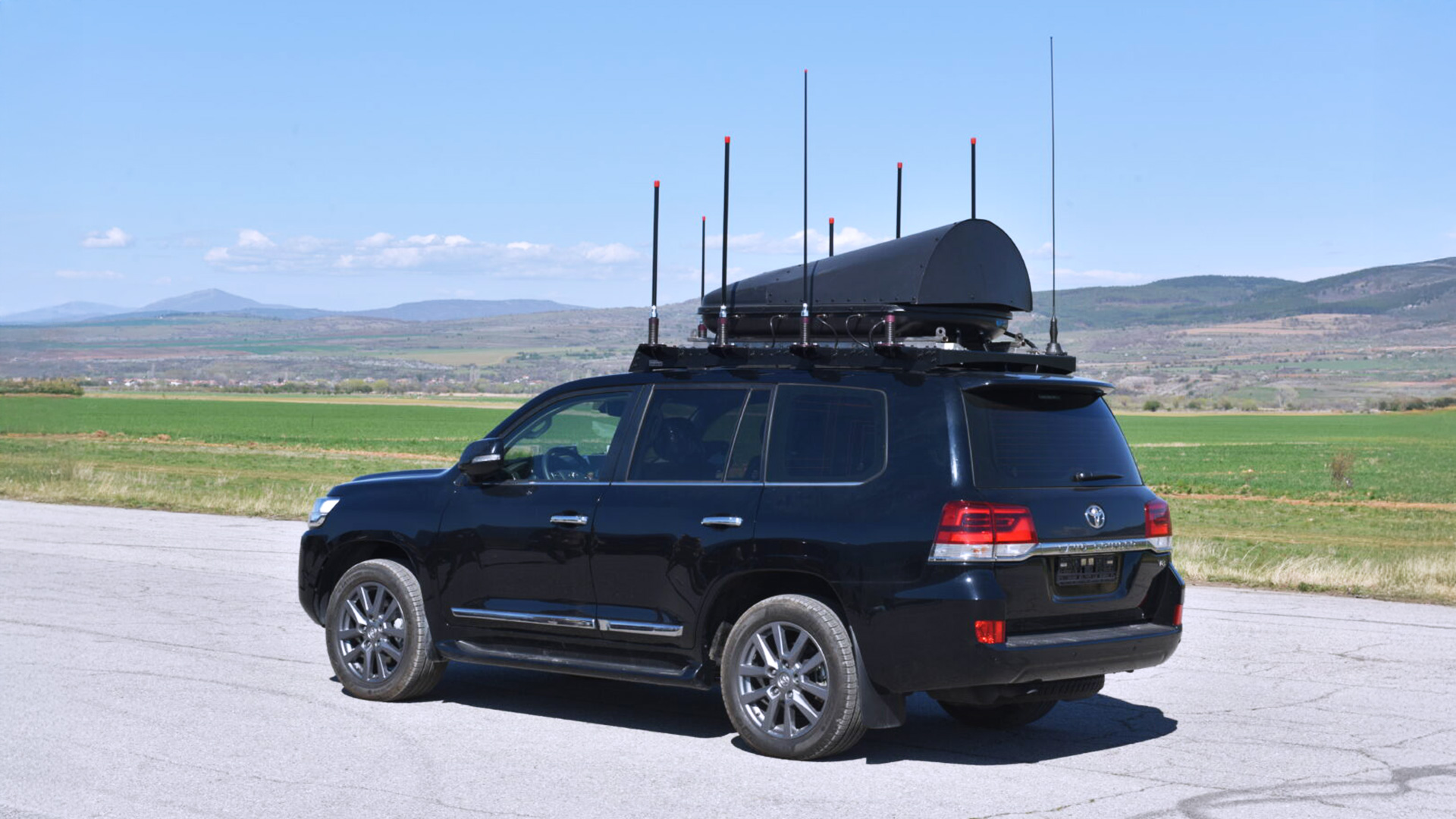
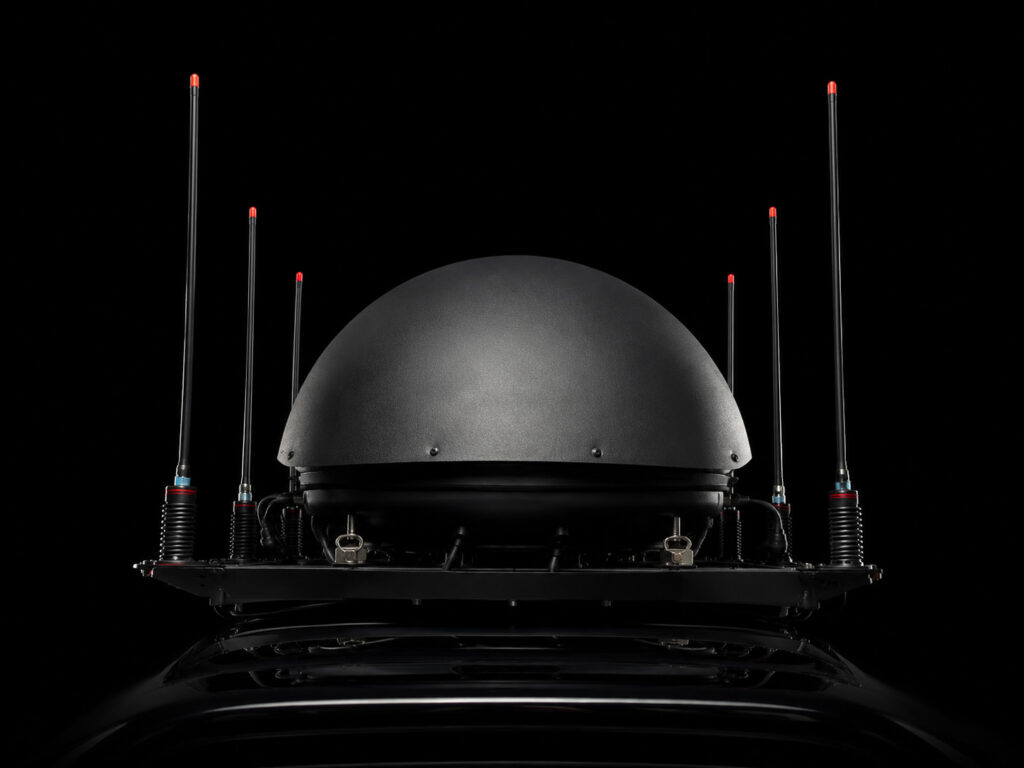
Depending on the configuration, the system can be equipped with omnidirectional or directional antennas for area coverage or targeted electronic response.
MISSION-SPECIFIC CONFIGURATIONS
SKADS is fully tailored to the operational requirements of the end-user.
The system can be configured as:
- Portable solution
- Vehicle-specific configuration
- Fixed installation
- Semi-mobile container solution
- Critical infrastructure protection
- Airport and base security
This allows the same technological basis to be applied within both military and civil security environments.
INTEGRATED WHERE NECESSARY
SKADS can function independently as a fully operational Soft-Kill system or be integrated within broader Counter-UAS architectures.
When coupled with radar, passive RF detection, EO/IR systems, and HDS FUSION, a layered detection and response architecture is created in which threats can be automatically detected, classified, and tracked before electronic countermeasures are employed.
This approach supports faster decision-making, improved operational coordination, and more effective protection of critical locations and operational assets.